What is a watch winder for and how do you use it?

How to Use a Watch Winder and Why
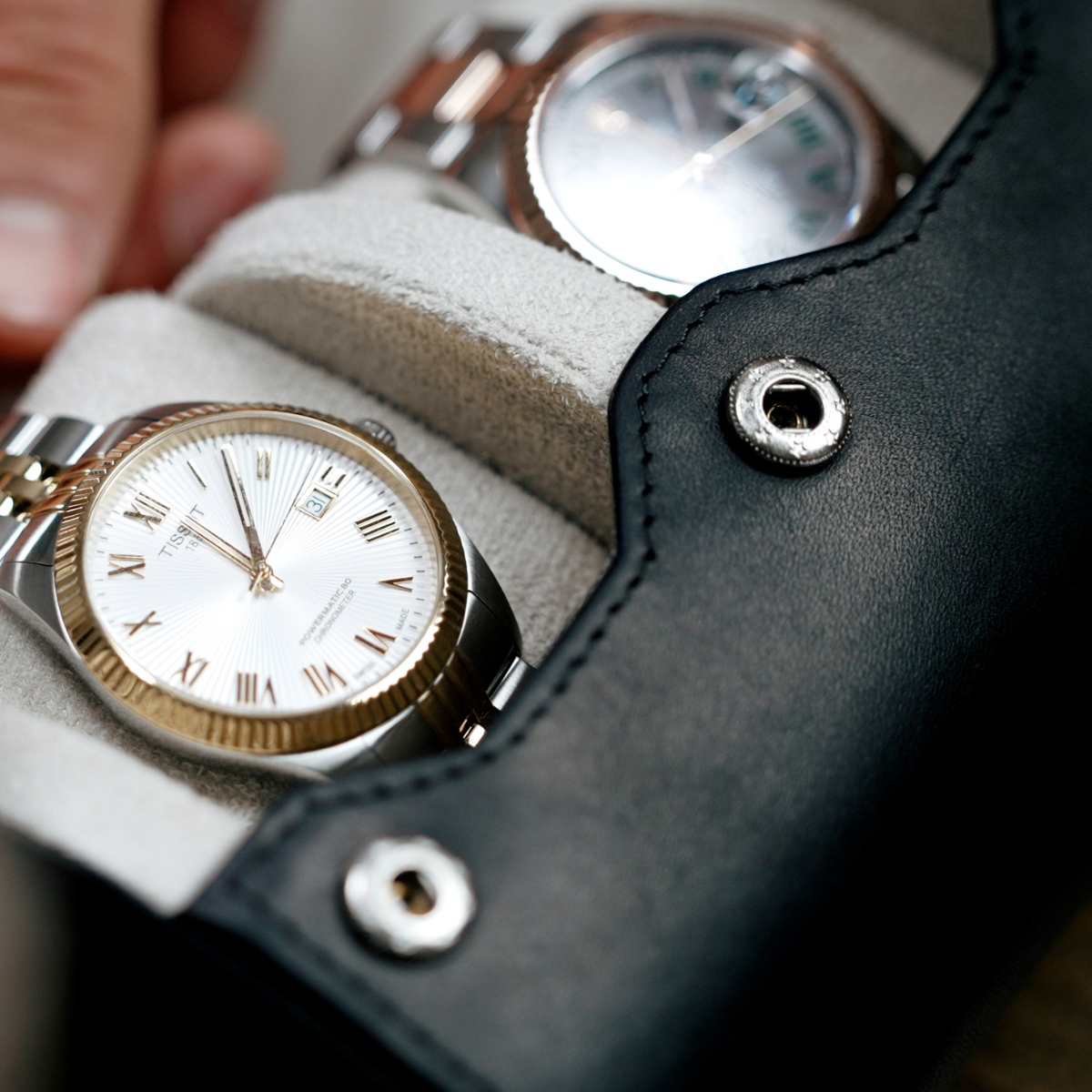
A watch winder is an essential device for all automatic watch enthusiasts. It keeps your watches wound and ready to wear, even when you do not use them regularly. Here is how to use a watch winder, why it matters, and how to work out the number of turns your watch needs.
What Is a Watch Winder and Why Do You Need One?
Automatic watches work thanks to a mechanical movement that uses the energy generated by the motion of the wrist to wind the mainspring. When an automatic watch is not worn for a prolonged period, it stops because it no longer receives this kinetic energy.
A watch winder imitates the natural movement of the wrist by gently turning the watch in several directions, ensuring the spring stays wound. This allows you to:
-
Keep the watch on time : A watch that stops needs to be reset, which can be tedious, especially if it has complications such as a calendar or moon phase.
-
Preserve internal lubrication : The internal movements of the watch need to be lubricated regularly. By keeping the watch moving, the winder helps prevent these lubricants from drying out.

How to Use a Watch Winder
-
Placing the Watch in the Winder:
- Place your watch on the winder's holding cushion. Make sure the watch is securely fastened and centred on the cushion to avoid any imbalance during operation.
- Insert the cushion with the watch into the winder's compartment. Check that the watch is stable and secure.
-
Selecting the Rotation Mode:
- Most watch winders have several rotation modes: clockwise (CW), counterclockwise (CCW), or a combination of both (bidirectional). Consult your watch's instruction manual to determine the appropriate direction of rotation.
- Choose the rotation mode on the winder's control panel according to your watch's specifications.
-
Setting the Number of Turns Per Day (TPD):
- The number of turns per day required depends on the specific watch. Automatic watches have different rotation needs to stay wound.
- Refer to your watch's manual or check the manufacturer's website to find the recommended TPD. Some watch winders have preset settings or custom adjustment options to enter the exact TPD.
-
Starting the Winder:
- Once you have set the rotation mode and the TPD, switch the winder on. The watch will begin to turn according to the settings you have chosen.

How to Find Out How Many Turns Your Watch Needs
To find out how many turns per day your watch requires, you can follow these steps:
-
Consult Your Watch's Manual:
Your watch's instruction manual should state the recommended TPD and the direction of rotation (clockwise, counterclockwise or bidirectional). -
Check the Manufacturer's Website:
Most watch manufacturers provide this information on their website or in the product data sheets. -
Use Online Tools:
There are online databases and tools where you can enter your watch's brand and model to get the TPD and direction of rotation required. For example, sites such as Watch Winder Guide offer lists of recommendations. -
Ask a Watchmaker:
If in doubt, consult a professional watchmaker who can provide you with information specific to your watch.
Conclusion
A watch winder is a valuable investment for any automatic watch enthusiast. It not only helps keep your watch in perfect working order, but also protects and extends the life of your collection. By using a watch winder correctly and knowing the number of turns needed for each model, you ensure your luxury watches are properly cared for.
If you have any further questions or need help choosing the right watch winder for your needs, do not hesitate to contact our customer service!
by email at Contact@Atelier-Cohen-Dubois.fr or by phone on +34 653 566 116.