When you invest in an automatic watch, a watch winder becomes an essential accessory to keep it running smoothly. Choosing the right watch winder can seem complicated given the wide variety of models available. Here is a detailed guide to help you make an informed decision.

1. Capacity and size: choose according to your collection

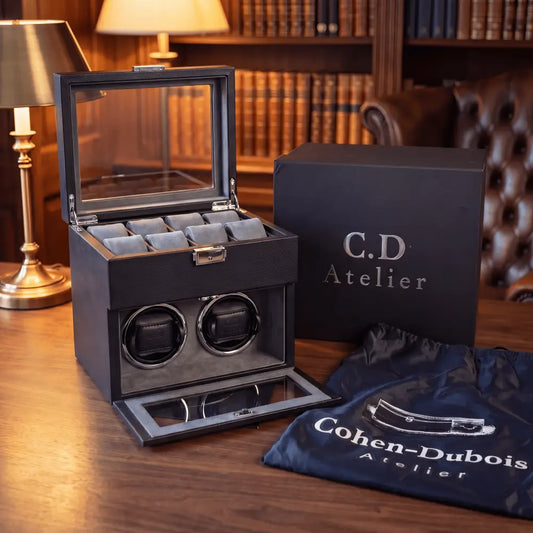
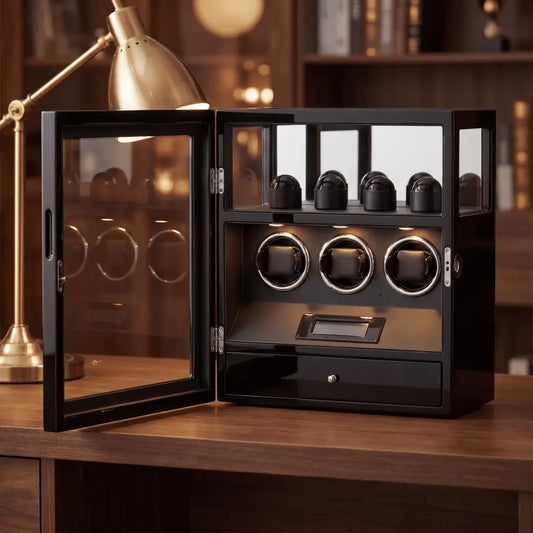
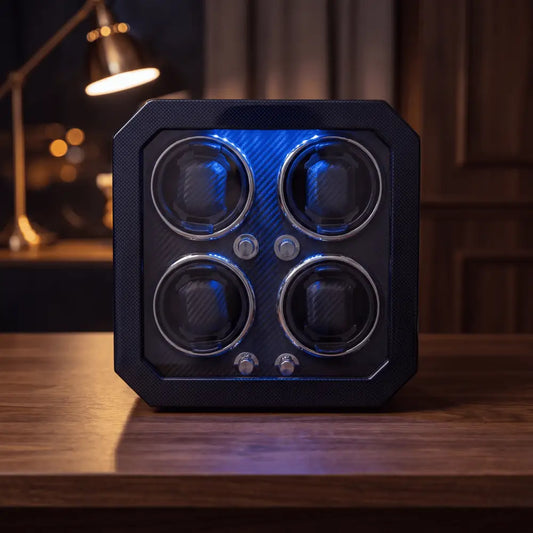
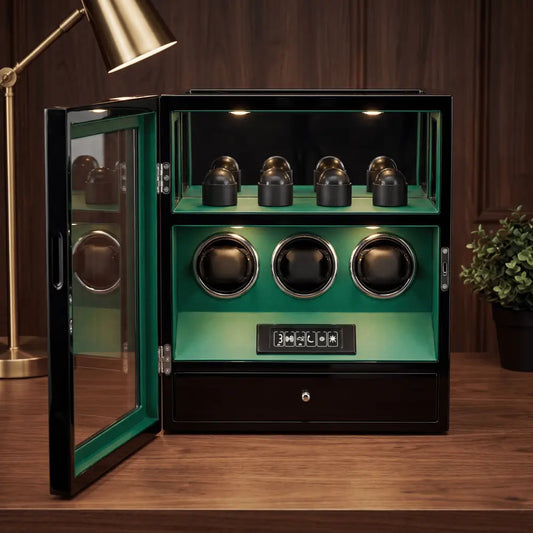
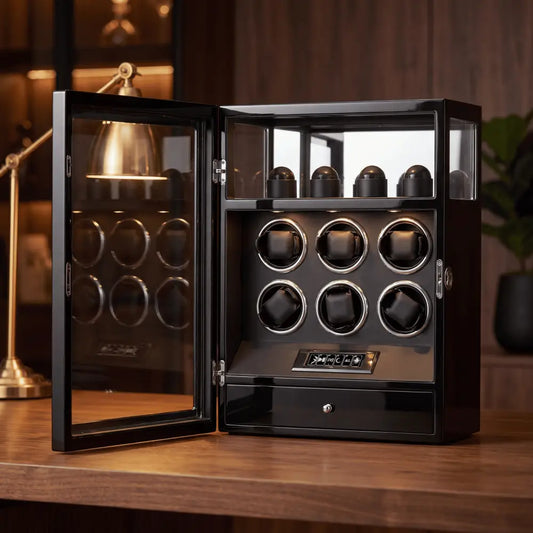
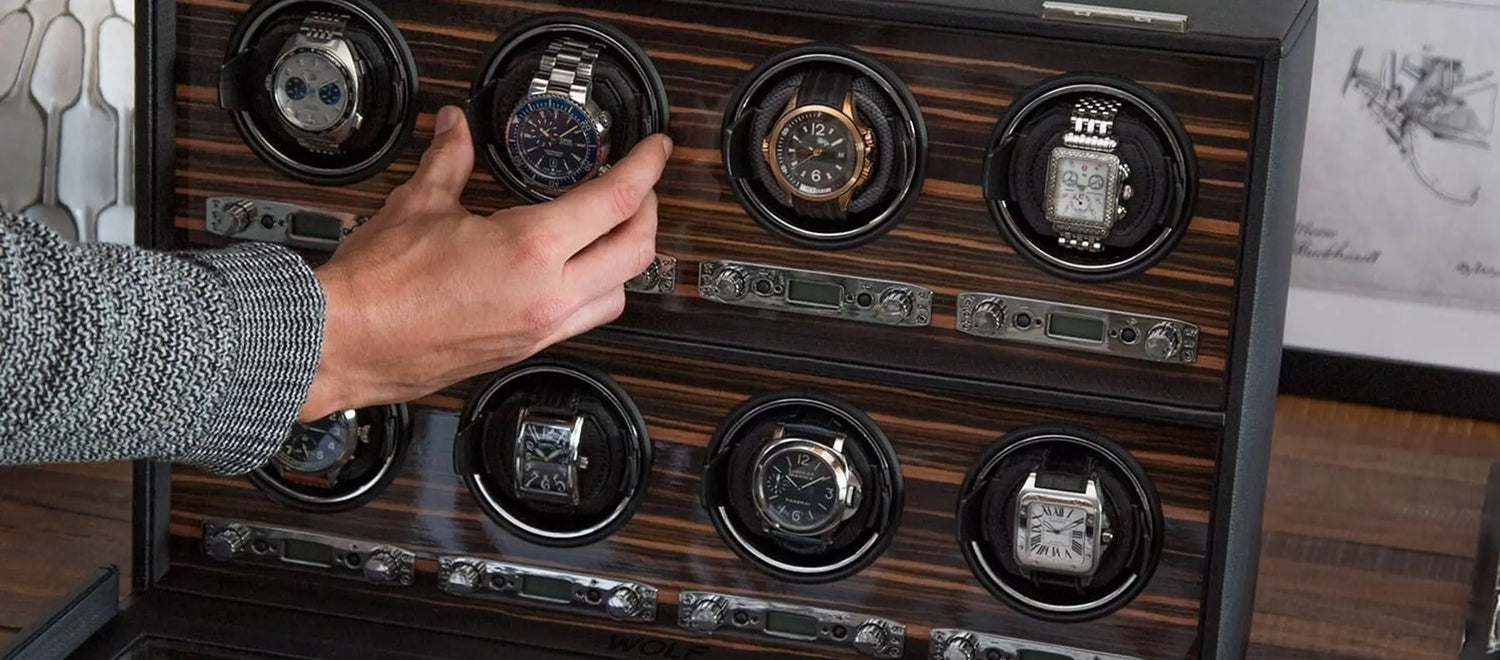
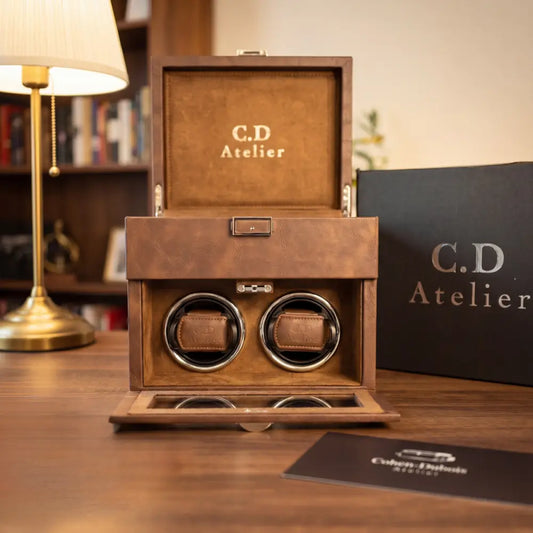
The first question to ask yourself is how many watches you want to put in your watch winder. If you have several automatic watches, a winder with multiple slots will be more suitable. Some models can hold up to 12 watches, but if you only have one or two watches, a compact and simpler model will suffice. Consider the size of your collection before making your choice.

2. Materials and aesthetics: combining functionality and design

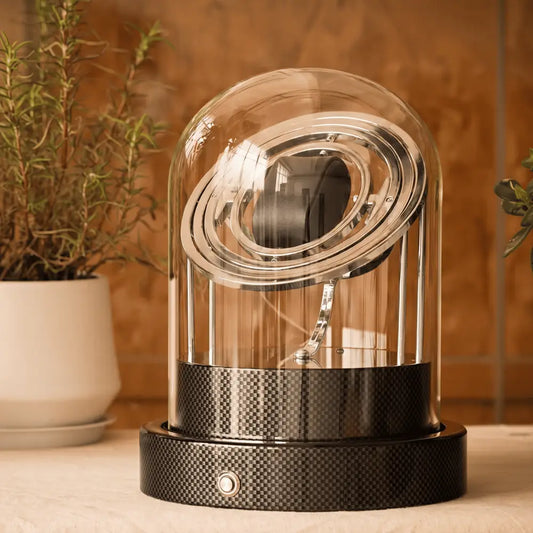
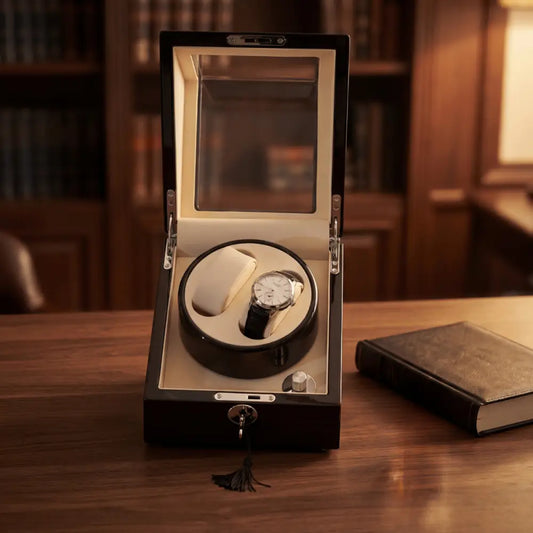
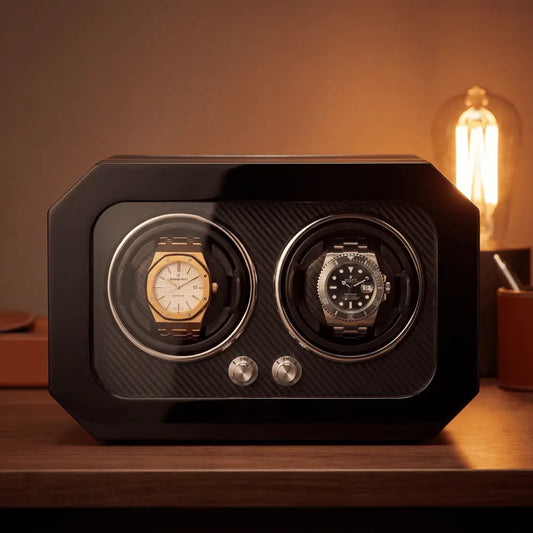
A watch winder is often an item that remains in plain view, whether on a shelf, a nightstand, or in a display case. The choice of materials is therefore important, not only for durability but also for aesthetic appeal. Luxury watch winders are often made of wood (walnut, oak), genuine leather, or carbon fiber. These materials add a touch of elegance while providing excellent protection for your watches.

If you’re going for a modern, minimalist look, a carbon fiber or metal model might be a better fit. Conversely, for a more classic or traditional style, fine wood watch winders are a great choice. Make sure the design of the winder complements that of your watch.

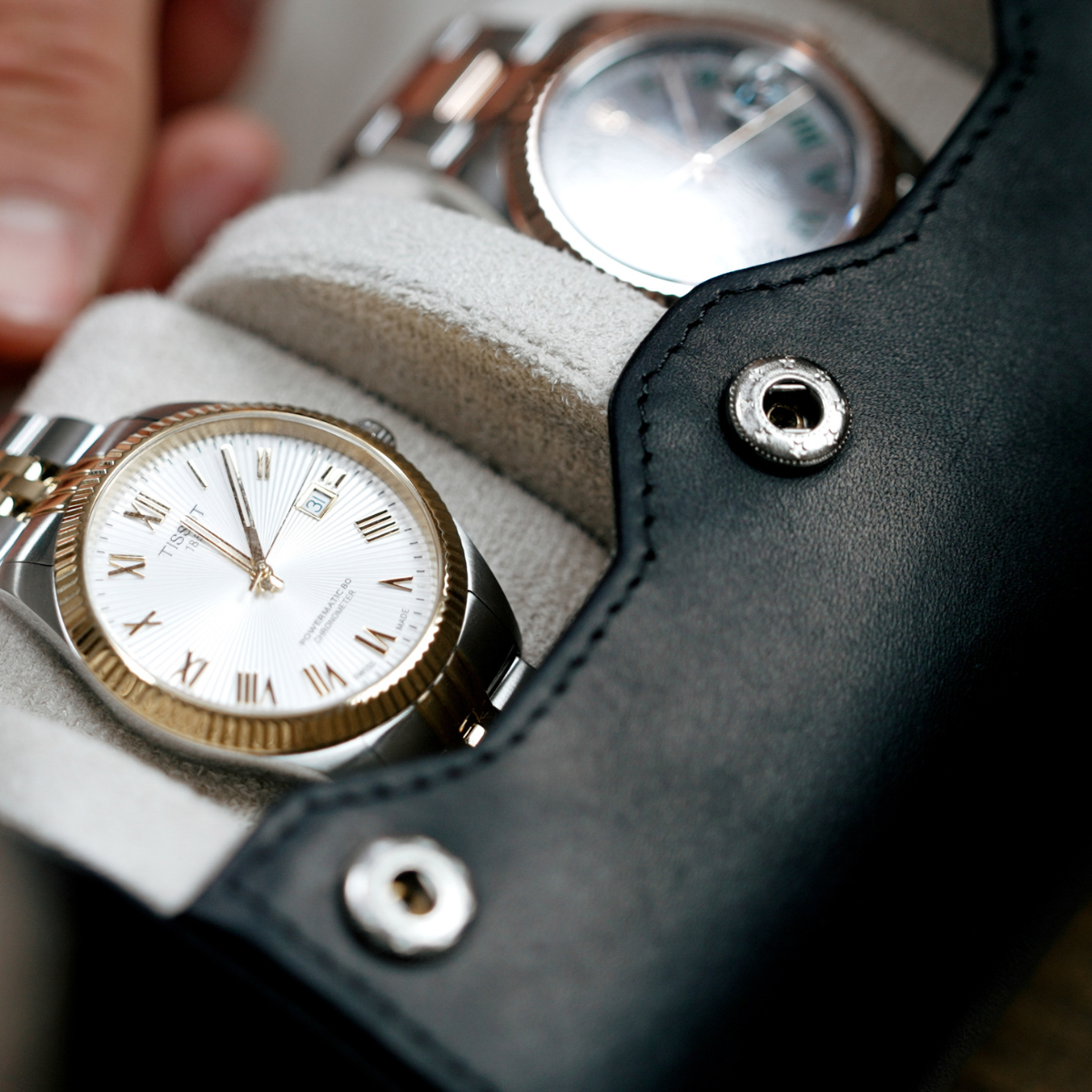
Another important factor is the size of the winder. If you travel frequently, choosing a smaller or portable winder can be a good idea. On the other hand, for home use, you can opt for a more imposing and decorative model.

3. Rotation features: the importance of programming

Automatic watches need to be wound regularly to keep them running, and each watch may have specific winding requirements. A good watch winder should offer multiple winding modes, including clockwise, counterclockwise, or bidirectional. These winding cycles should be programmable to accommodate the specific requirements of your watch’s movement.

For example, some watches require a certain number of turns per day (TPD) for optimal winding. High-quality watch winders allow you to adjust these settings to prevent over-stressing your watch’s movement, which could lead to premature wear. Choosing a watch winder with flexible programming will ensure your watches get exactly what they need.

4. Noise level: choose a quiet motor

The noise from a winder can be a nuisance, especially if you plan to place it in a quiet room like a bedroom or office. Winders with high-quality motors, such as Mabuchi motors, are known for their quiet operation. A noisy motor can not only be annoying, but it can also be a sign of a lower-quality product.

When choosing a winder, check user reviews regarding noise levels, especially if you plan to use it in environments where quiet is important. A quiet winder will allow you to enjoy its functionality without any disturbance.

5. Security and protection: options for your valuable watches

For those who own high-value watches, security is a major concern. Some high-end watch winders come equipped with additional security features, such as key locks or fingerprint-based locking systems. This helps protect your watches not only from mechanical malfunctions but also from theft.

In addition to safety, it is important to choose a watch winder that protects your watches well. A high-quality winder should have a soft interior, often made of velvet or leather, to prevent scratches or damage during use. If you travel frequently, choose a model with a secure closure to keep your watches safely in place.

6. Additional options: customization and innovation

Modern watch winders offer many features designed to enhance the user experience and protect your watches:

  • LED Lighting: Adds an aesthetic touch by illuminating watches, especially in dark rooms.
  • Remote Control: Allows you to control the winder remotely to adjust the rotation without touching the device.
  • Additional storage: Some models feature compartments for storing bracelets, tools, or other accessories.
  • Anti-magnetization: Protects the watch mechanism from magnetic interference.
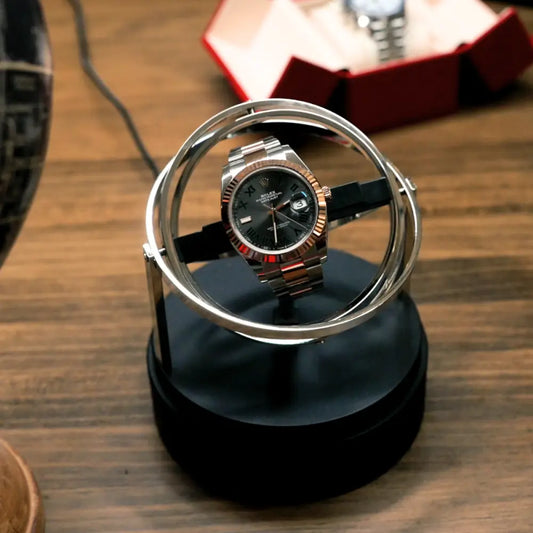
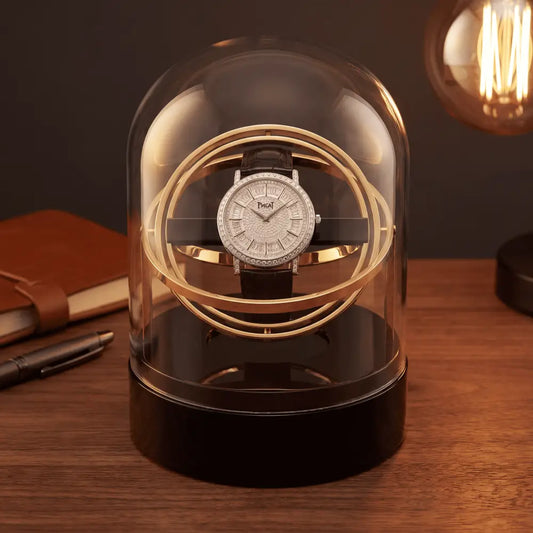
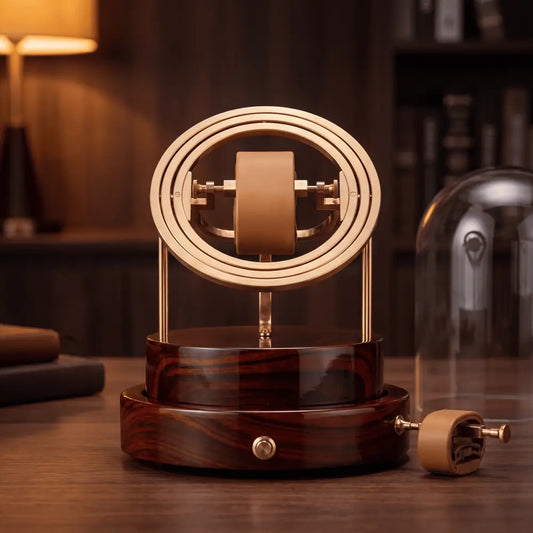
  • Gyroscopic Winder: Provides smoother, more natural rotation, mimicking wrist movements.

These options not only protect your watches, but also showcase them beautifully in a sophisticated and practical setting.

Conclusion

Choosing the right watch winder is more than just an accessory. It’s an investment in the longevity of your automatic watches. By considering capacity, materials, rotation features, noise level, and security options, you can be sure to make an informed choice that not only protects your watches but also enhances them. A well-chosen watch winder is not only functional but also becomes a work of art that reflects your appreciation for luxury watchmaking.